

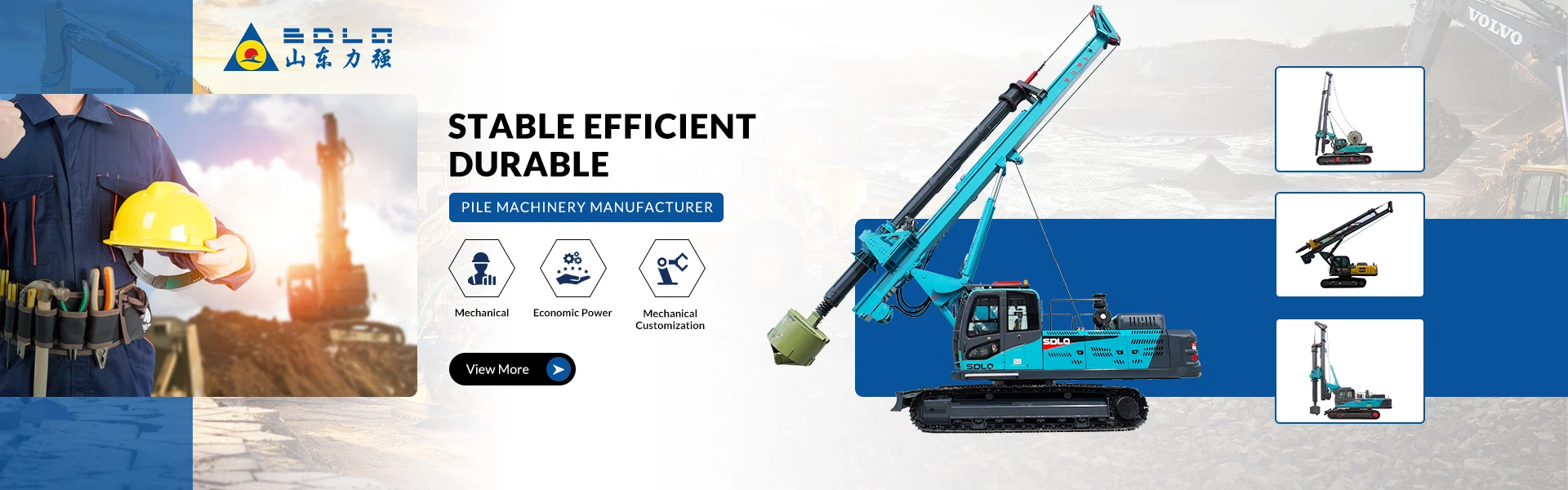
Both impact drilling rigs and rotary drilling rigs are characterized by their low price and ease of operation. After decades of market selection, they have become the mainstream machinery for pile foundation drilling. However, with social progress and development, some insurmountable drawbacks have gradually emerged:#price drill#
Environmental pollution and lack of environmental friendliness
Mud slurry is required for both wall slurry protection and suspended slag removal. This mud slurry causes environmental pollution on-site and in the surrounding environment, failing to meet the increasingly environmentally conscious and civilized construction requirements of modern society. Circulating mud slurry and sedimentation require mud pits, which occupies a large construction site.
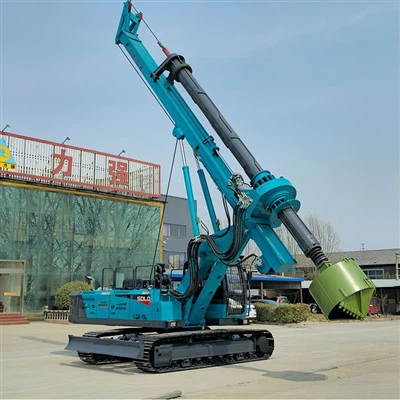
Slow Drilling Speed
Under normal construction quality requirements and typical geological conditions, rotary drilling rigs can drill approximately 8-10 meters per day. Impact drilling, on the other hand, is even slower.
Poor Adaptability#price drill#
While impact drilling rigs are highly adaptable, rotary drilling rigs cannot handle harder strata beyond strongly weathered layers. Both impact and rotary drilling rigs can only drill vertical holes, not material holes.
Low Automation
High Labor Intensity and Poor Working Environment for Operators
The low automation levels of impact and rotary drilling rigs result in harsh working conditions for workers, which is inconsistent with the current trend towards humane and highly automated practices.#price drill#


